Every dental visit adds to a file most patients never see. Exam notes, X-rays, treatment history, and the health details you share at check-in all end up in one place. In many practices, that file now lives as digital dental records, which changes how quickly information can be found, compared, and shared.
What Goes Into Your Dental Record?
A dental record is more than a list of past fillings. It usually brings together several types of information that a dentist relies on when deciding on dental treatment:
- Your medical history, medications, and the forms completed at check-in
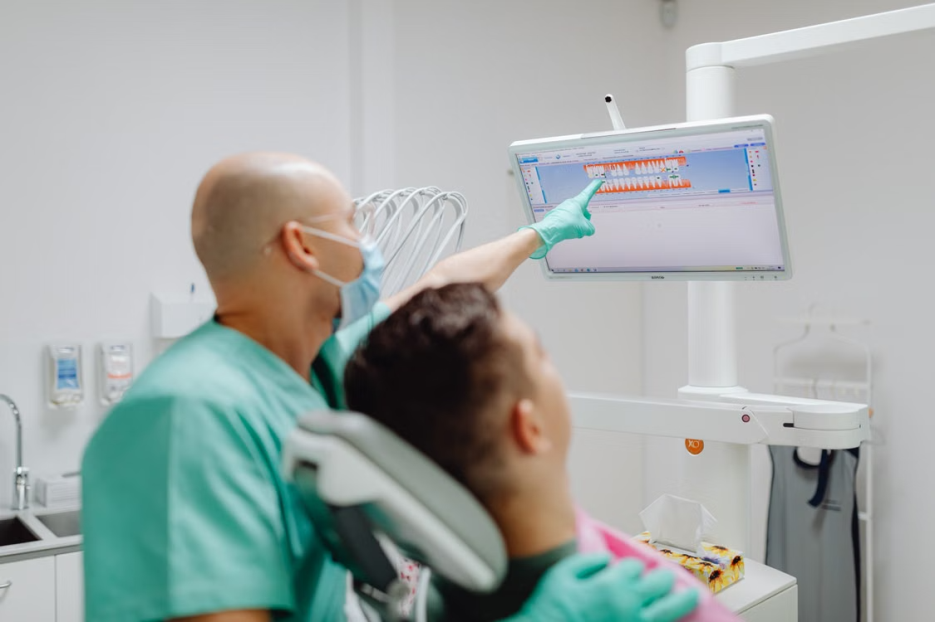
- Notes and charting from each exam and dental cleaning
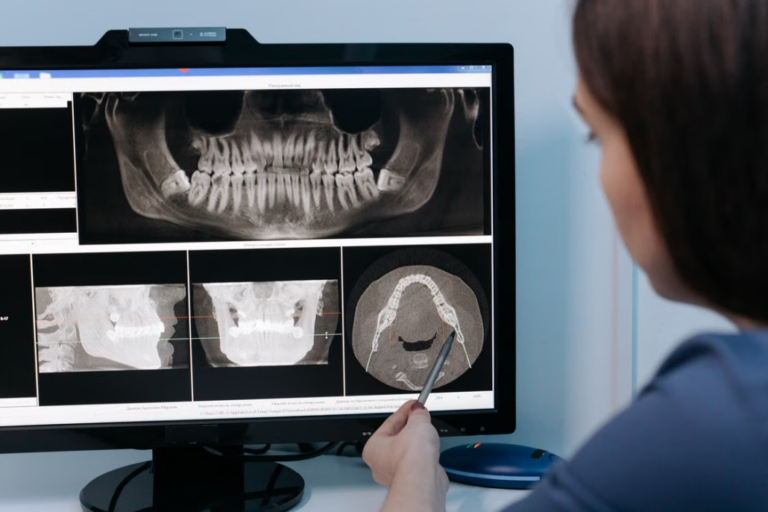
- X-rays and other images taken over the years
- A history of treatments, recommendations, and follow-up visits
Because the dentist relies on these details, update your health history whenever your medications or medical conditions change. If you are new to a practice, knowing what to expect at a family dentistry appointment can help you prepare that information in advance.
How Digital Imaging Helps Track Changes Over Time
Digital X-rays and scans are saved alongside the rest of the record, so a new image can sit beside an older one, and differences stand out. According to the American Dental Association, digital radiography reduces radiation exposure and allows images to be shared electronically. The ADA also lists using X-rays from previous exams as one way to limit exposure, so if you are switching dentists, ask if your recent images can be sent over.
Can You Get a Copy of Your Records?
In most cases, yes. The U.S. Department of Health and Human Services explains that patients have the right to see and get copies of their health information, often in the format they prefer, such as email. A provider normally has up to 30 days to respond and may charge a reasonable fee. You can also ask for your information to be shared directly with someone you choose.
Keep Your Records Working for You
Digital X-rays at Advanced Dental Center are stored and shared electronically, so your images are ready when they are needed. If you have questions about your digital dental records or would like a copy, our team can help. As your Germantown dentist, we use that history to plan general dentistry care that fits your needs. Contact us to schedule your next dental visit, and save your time by completing your patient forms before you arrive.