Teeth are constantly under pressure, whether from daily habits like clenching and grinding or sudden impact during physical activity. Over time, this stress can lead to enamel wear, jaw discomfort, and even long-term damage if left unaddressed.
This is where mouth guards and night guards play an important role. Designed to protect your teeth during both activity and rest, these appliances help reduce strain and support long-term dental care while preserving the strength and alignment of your smile.
The Difference Between Mouth Guards and Night Guards
While they may look similar, they serve different purposes. Mouth guards are typically used during physical activities to protect teeth from sudden impact, while night guards are worn during sleep to reduce the effects of grinding and clenching.
Both options help minimize stress on the teeth and jaw, preventing issues that may otherwise require more involved treatment.
The Different Types of Guards Available
Not all guards are the same, and choosing the right type depends on how they will be used.
Sports mouth guards are designed to absorb impact and protect against injuries during physical activity. Night guards, on the other hand, are used to manage grinding during sleep. There are also variations in thickness and material depending on the level of protection needed.
Custom-made guards are tailored to your bite, offering better comfort and more consistent protection compared to over-the-counter options.
Why Custom-Fitted Guards Make a Difference
A properly fitted guard stays securely in place and allows you to wear it comfortably for longer periods. This is especially important for patients dealing with ongoing grinding or jaw tension.
Custom guards designed by a dentist help distribute pressure evenly and reduce unnecessary strain on specific teeth.
Preventing Teeth Grinding and TMJ Discomfort
Teeth grinding, also known as bruxism, can place continuous pressure on the jaw and contribute to TMJ (temporomandibular joint) discomfort. This may lead to symptoms such as jaw pain, stiffness, headaches, and difficulty opening or closing the mouth.
Using a night guard helps reduce this pressure by creating a protective barrier between the teeth. Over time, this can ease strain on the jaw, support proper alignment, and prevent further wear caused by grinding.
Reducing the Risk of Sports Injuries
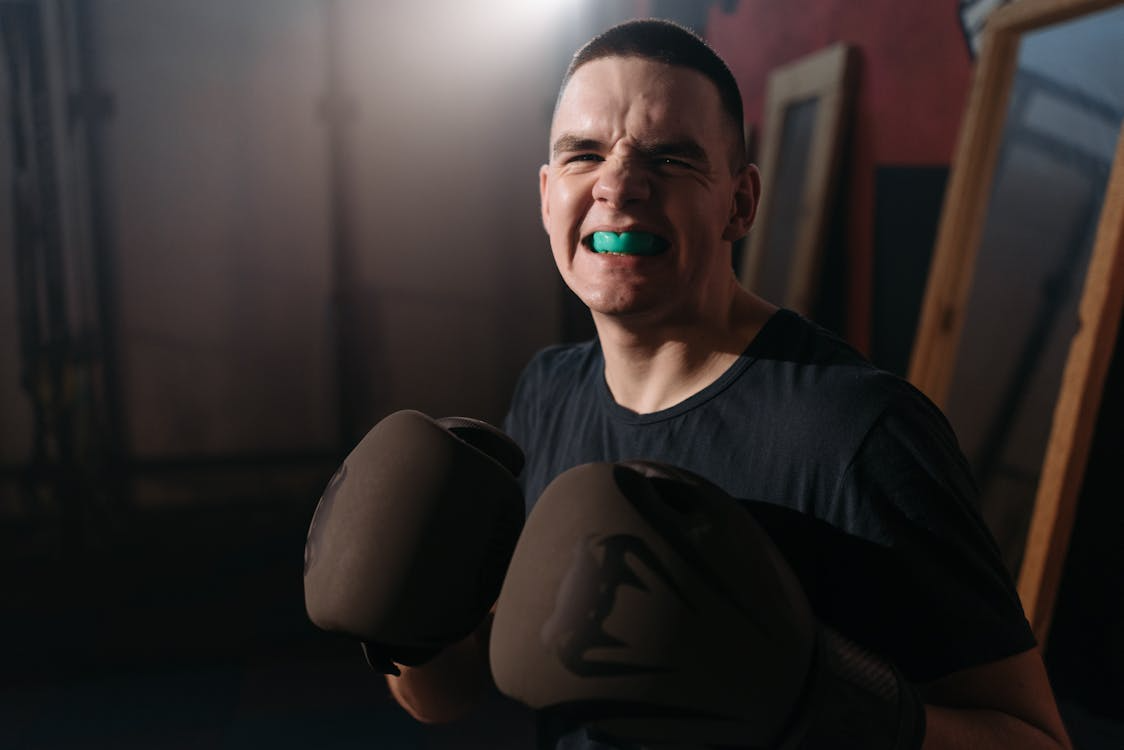
For patients involved in contact sports or high-impact activities, mouth guards are an essential part of protection. They help absorb shock and reduce the risk of chipped, broken, or dislodged teeth.
Preventing these injuries not only protects your smile but also reduces the need for restorative dental services later.
Practical Tips for Long-Term Protection
Consistency plays a major role in how effective these guards are. Wearing your night guard regularly and using a mouth guard during physical activity ensures continuous protection.
It’s also important to keep your guard clean and replace it when signs of wear appear. Regular checkups allow your provider to evaluate fit and effectiveness as part of ongoing preventative dentistry.
Protect Your Smile with the Right Solution
At Advanced Dental Center, we provide custom mouth guards and night guards designed for comfort, durability, and long-term protection. We focus on solutions that help prevent damage while supporting overall dental services and patient care.
If you’re experiencing signs of grinding or want to protect your teeth during physical activity, contact us today — we’re here to help you find the right solution for your needs.